
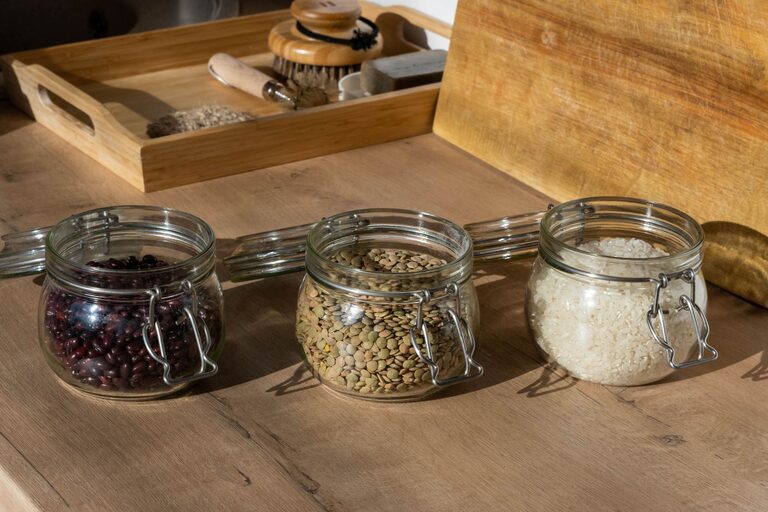
Planning meals from pantry staples is a smart way to save money, reduce food waste, and reduce the stress of last-minute cooking decisions. Most of us have a well-stocked pantry with basics like canned goods, grains, spices, and dried beans – ingredients that can form the foundation of countless meals without a special trip to the store.
In this post, we’ll explore how to plan meals around pantry staples, organize your pantry for easy access, and share some ideas for delicious dishes you can prepare using what you already have.
Why Plan Meals Around Pantry Staples?
Pantry staples are non-perishable or long-lasting ingredients that you can keep on hand and use anytime. Planning meals around these items can:
– Save trips to the grocery store
– Stretch your food budget
– Reduce food waste by using what you already own
– Allow for quick and easy meal preparation
By focusing on pantry staples, you can also easily customize meals based on what fresh or frozen ingredients you pick up or have on hand.
Step 1: Take Inventory of Your Pantry Staples
Before you start planning meals, it’s essential to know what you have. Set aside some time to go through your pantry and take inventory. Typical pantry staples may include:
– Grains: rice, pasta, quinoa, couscous, oats
– Canned goods: beans, tomatoes, vegetables, broth
– Baking ingredients: flour, sugar, baking powder, baking soda
– Oils and vinegars: olive oil, vegetable oil, balsamic vinegar
– Spices and seasonings: salt, pepper, garlic powder, dried herbs, chili flakes
– Nuts and seeds
– Dried legumes: lentils, split peas, chickpeas
– Shelf-stable condiments: soy sauce, mustard, tomato paste
Making a list or using a pantry app can help keep track of what you have as you plan meals.
Step 2: Organize Your Pantry for Easy Access
Keeping your pantry organized makes meal planning and cooking more efficient. Consider these tips:
– Group similar items together (e.g., all canned beans in one area)
– Label shelves or containers so everything has a place
– Store frequently used staples at eye level
– Use clear containers for grains and dried goods to easily see quantities
– Rotate older items to the front to avoid expired food
A tidy pantry encourages you to use what you have and helps prevent buying duplicates.
Step 3: Map Out Meal Ideas Using Pantry Staples
Having a general idea of meals you can make with pantry staples will help you plan your weekly menu. Here are some easy meal types and ideas:
Grain Bowls and Salads
– Cooked rice or quinoa topped with canned beans, roasted vegetables, and a simple vinaigrette made from pantry oils and vinegar.
– Pasta tossed with olive oil, garlic powder, canned tomatoes, and dried herbs.
Soups and Stews
– Lentil soup using dried lentils, canned tomatoes, broth, and seasonings.
– Bean chili with canned beans, tomato paste, chili powder, and spices.
Stir-Fries and Sautés
– Quick stir-fries with rice or noodles, canned vegetables, and soy sauce.
– Sautéed garlic and spices with canned chickpeas served over couscous.
Baked Goods and Breakfasts
– Oatmeal with nuts, seeds, and dried fruit.
– Pancakes or muffins made from pantry flours and baking ingredients.
Step 4: Supplement With Fresh or Frozen Ingredients
While pantry staples provide the base, fresh or frozen items can add texture, freshness, and variety. When planning, think about:
– Fresh vegetables for salads or side dishes
– Frozen vegetables for adding to soups or stir-fries
– Eggs or dairy to complement pantry-based meals
– Fresh fruit for snacks or desserts
Planning meals this way helps balance nutrition and flavors.
Step 5: Create a Weekly Meal Plan and Shopping List
Using your pantry inventory and meal ideas, draft a weekly meal plan. Writing it down on paper, a whiteboard, or an app helps stay organized. For example:
| Day | Meal Idea | Pantry Staples Used | Fresh Add-ons |
|———–|———————————|—————————————————|—————————–|
| Monday | Lentil Soup | Lentils, canned tomatoes, broth, spices | Carrots, celery |
| Tuesday | Pasta with tomato sauce | Pasta, canned tomatoes, garlic powder, olive oil | Parmesan cheese, basil |
| Wednesday | Rice and beans grain bowl | Rice, canned beans, spices, olive oil | Fresh vegetables, lime |
Next, create a shopping list for any fresh or frozen items needed to complete your meals.
Tips for Success
– Keep a running pantry inventory: Update it after you shop or use items so you always know what’s available.
– Batch cook and freeze: Prepare soups, stews, and grains in larger batches and freeze portions for busy days.
– Experiment with spices: A little spice can transform simple pantry ingredients into exciting dishes.
– Use pantry meal planning apps: These can help suggest recipes based on what you have.
Sample Pantry Staple Recipe: Chickpea Curry
Here’s one easy recipe you can try using pantry staples:
Ingredients
– 1 can chickpeas, drained and rinsed
– 1 can diced tomatoes
– 1 small onion (or onion powder)
– 2 cloves garlic (or garlic powder)
– 1 tbsp curry powder or a blend of turmeric, cumin, and coriander
– 1 cup broth or water
– 2 tbsp oil
– Salt and pepper to taste
– Cooked rice, for serving
Directions
- Heat oil in a pan over medium heat. Add chopped onion and garlic (or sauté onion powder and garlic powder a bit in oil).
- Stir in curry powder and cook for 1 minute.
- Add chickpeas, canned tomatoes, and broth.
- Simmer for 15–20 minutes until thickened. Season with salt and pepper.
- Serve with cooked rice.
This dish is flavorful, filling, and relies primarily on pantry staples with minimal fresh ingredients.
—
Planning meals from pantry staples is an easy way to streamline cooking, improve your home food use, and enjoy tasty meals with less effort. By taking inventory, organizing your pantry, and thinking creatively about ingredient combinations, you can make your kitchen a source of comfort and convenience. Happy cooking!
