
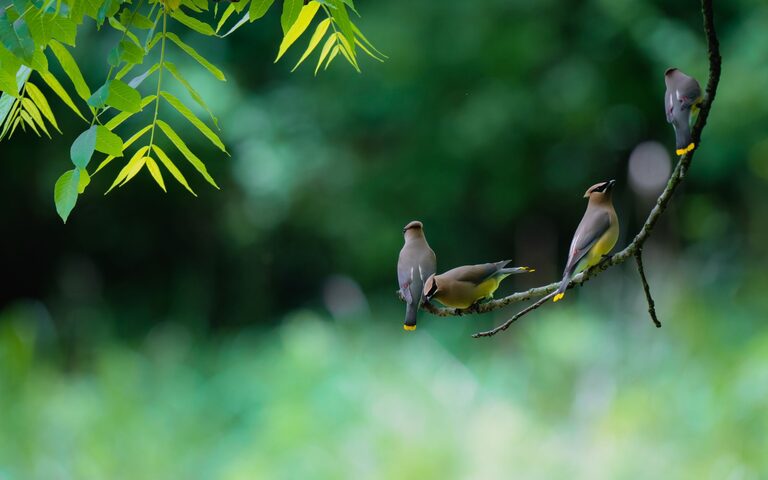
Birdwatching is a rewarding and relaxing hobby that can be enjoyed right in your own backyard. Whether you live in a city, suburb, or rural area, observing birds provides a wonderful way to connect with nature and learn about the wildlife around you. If you’re new to birdwatching, this guide will offer helpful beginner tips to get you started and make your backyard visits more enjoyable.
Why Start Backyard Birdwatching?
Birdwatching is accessible to almost everyone and requires minimal equipment. It promotes mindfulness, encourages spending time outdoors, and can be a fun activity for all ages. Plus, backyard birdwatching doesn’t require traveling to remote locations — the birds you want to see might be right outside your window!
Essential Tools for Beginner Birdwatchers
You don’t need much to start birdwatching. Here are some basics to help you observe birds effectively:
1. Binoculars
A good pair of binoculars will bring birds closer to you visually and help identify details like color patterns and size. For beginners, 8×42 binoculars are ideal because they offer a good balance of magnification and light-gathering ability.
2. Field Guide or Bird ID App
A field guide book or a smartphone app with pictures and descriptions helps identify the species you see. Apps often include bird calls and songs, which is helpful for recognizing birds by sound.
3. Notebook or Journal
Keeping a record of your observations, including species seen, dates, and behaviors, can be both educational and satisfying. It tracks your progress and builds your knowledge over time.
Setting Up Your Backyard for Birdwatching
Making your backyard bird-friendly increases your chances of attracting a variety of birds. Consider these simple steps:
1. Provide Food Sources
– Bird Feeders: Use feeders with different seed types to attract a range of species. Black oil sunflower seeds are popular with many birds.
– Native Plants: Plant shrubs, trees, and flowers native to your area that produce berries, seeds, or nectar.
2. Offer Water
Birds need fresh water for drinking and bathing. You can place a birdbath in a visible, quiet spot and keep it clean and filled, especially during dry periods.
3. Create Shelter
Dense shrubs, trees, and brush piles offer protection from predators and weather. Leave some leaf litter or dead wood to attract insects, which many birds feed on.
4. Avoid Chemicals
Minimize or eliminate pesticides and herbicides in your yard to create a safe environment for birds and their insect food sources.
Learning to Identify Birds
Bird identification is a key part of birdwatching that adds to the enjoyment. Here are some ways to improve this skill:
1. Focus on Key Features
Look at size, shape, color patterns, behavior, and habitat. Note if a bird has a distinctive beak shape, wing markings, or tail length.
2. Listen to Bird Calls
Bird songs and calls are unique to species. Apps and online resources can help you learn to recognize these sounds.
3. Observe Feeding and Flight Patterns
How birds feed or fly can be clues; some species hop on the ground while others cling to tree bark.
4. Practice Patience
Birds can be quick or shy. Waiting quietly and staying still increases your chances of good views.
Tips for a Positive Birdwatching Experience
1. Start Slowly
Begin with common backyard birds and gradually expand your knowledge.
2. Choose the Right Time
Early mornings and late afternoons are usually the best times to see birds active and feeding.
3. Minimize Movement and Noise
Birds are sensitive to disturbances; use quiet voices and move slowly.
4. Use a Comfortable Viewing Spot
Create a cozy chair or bench where you can watch quietly and stay relaxed.
5. Join a Community
Local birdwatching groups or online forums can provide support, species lists, and helpful tips.
Common Backyard Birds to Expect
Depending on your region, typical backyard birds include:
– Northern Cardinal
– American Robin
– Blue Jay
– Mourning Dove
– House Finch
– Chickadees
– Sparrows
– Woodpeckers
Knowing common species helps identify newcomers and understand local bird habits.
Conclusion
Starting backyard birdwatching is easy, fun, and a great way to appreciate the natural world around you. With a few simple tools, some patience, and a bit of preparation, you can turn your outdoor space into a birdwatcher’s paradise. Remember to keep learning and enjoy every moment spent observing these fascinating creatures.
Happy birdwatching!
